The living edition · AIOS
I’m keeping this book electronic so I can keep it useful.
I thought about a printed book. AI moves too quickly for that. I’ll update this edition periodically as the tools change and I learn more from the work.

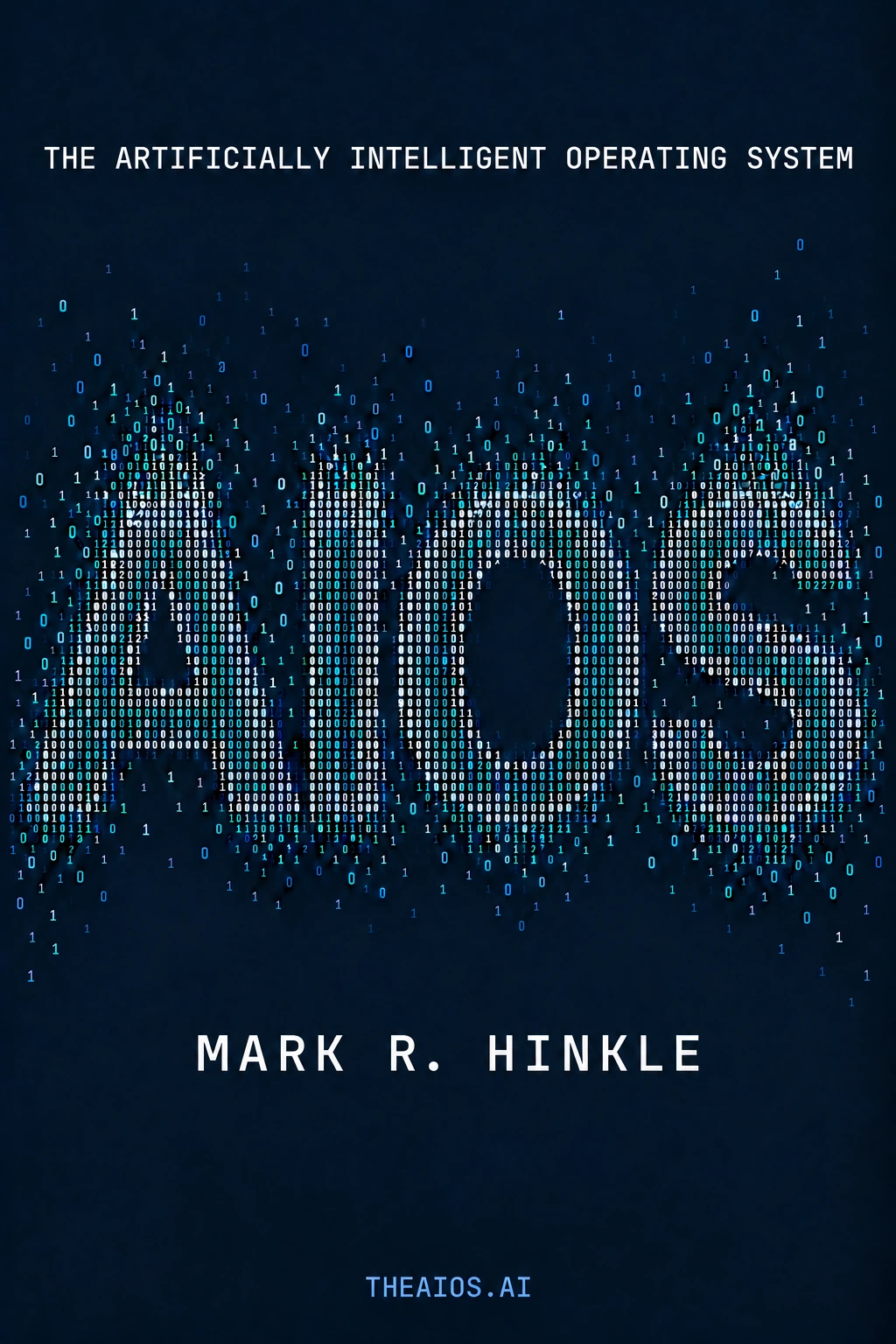
- 01Build & learnUse AI on real work
- 02Review & updateKeep the useful lessons
- 03Read the next editionAn electronic book that can change
From the stage to the room · Carolina Theatre · All Things Open AI 2025See the event
Why a living edition
I want to update the book as AI changes.
AI tools change quickly. Features change, new research appears, and advice that was useful a few months ago may need another look. I chose an electronic edition so I can update the book periodically.
Each published edition has a date. I can revise the next edition while you keep the copy you downloaded and see when it was published.
A note from Mark
How I use AI to make this book.
AIOS starts with my ideas and the lessons I learn building, publishing, and teaching with AI. We use AI to help compile the material and update the book as the field changes. I set the direction, review the results, and take responsibility for what we publish.
My goal is to make this the best human and AI collaboration possible. That means using AI where it helps, bringing my experience and judgment to the work, and checking and improving the result. The book itself is part of that practice.
How the book is updated
From checking sources to publishing an update
These are the six steps used to prepare an updated edition.
1 · Monitor
Watch what changed
Check primary research, product documentation, standards, and practical examples for changes that affect the book.
2 · Verify
Inspect the evidence
Check important claims against their sources. Keep the dates and context, and make clear what is a fact, an estimate, an example, or my judgment.
3 · Revise
Update the source manuscript
Update the source manuscript, then carry those changes through to the website, reader paths, waypoints, references, and book files.
4 · Challenge
Ask reviewers to find problems
Use independent reviewers and different AI models to look for outdated claims, weak reasoning, missing counterarguments, and conclusions the evidence does not support.
5 · Test
Check content and production
Check the structure, sources, references, links, accessibility, and layout. Inspect the finished PDF, EPUB, and document files.
6 · Release
Publish a dated edition
Publish the edition with a date and a record of changes, so readers can see which version they have and what changed.
What still needs judgment
I’m responsible for what goes into the book.
AI can help find material to review, compare versions, and run checks. I still have to decide what the evidence supports, what belongs in the book, and when an edition is ready. Some information will become outdated. The update process gives me a way to find it, check it, and correct it.
Current public release · 2026.10.24
Get the current edition.
265 pages. Unified the three reader paths, made all 32 waypoints interactive, and added the Agent-Native Product Scorecard.
This page shows the current edition. Your downloaded copy is yours to keep; it contains the material published on the date shown on its cover.